
When your child needs to say sorry
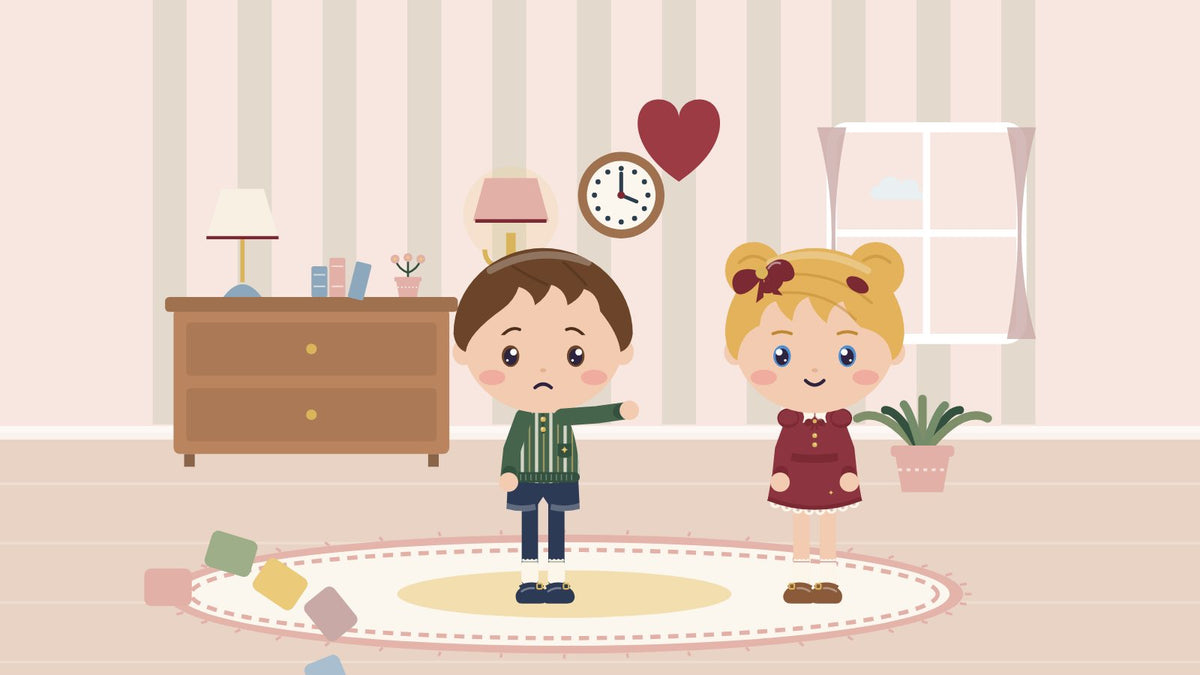
When a child has hit someone, grabbed a toy or knocked over a tower, we often say: “Say sorry!” The child mumbles the word, and then it’s over. But have they learned anything? Saying sorry is about more than the word.
First calm, then sorry
A child who is still angry can’t mean a sorry. Let the feelings settle before you talk about what happened.
Help your child see the other person
“Look, the boy is sad. His tower fell down.” When your child sees the consequence, they understand why a sorry matters.
Make it right together
A sorry gets stronger when it’s followed by an action: building the tower again, giving the car back, getting a band-aid. Ask: “What can you do to make it right again?”
Sorry without words
Some children find it hard to say the word. A hug, a drawing or a hand can also be a sorry. The most important thing is that your child shows they want to make it right.
Say sorry yourself
When you’ve yelled or forgotten something you promised, say sorry to your child. It shows that everyone makes mistakes, and that mistakes can be fixed.
Kindness toward yourself
Also teach your child that it’s okay to make mistakes. A sorry isn’t a punishment. It’s a way of saying: “I’m still a good friend, and I want to make it right.”
From My Mini Mindset
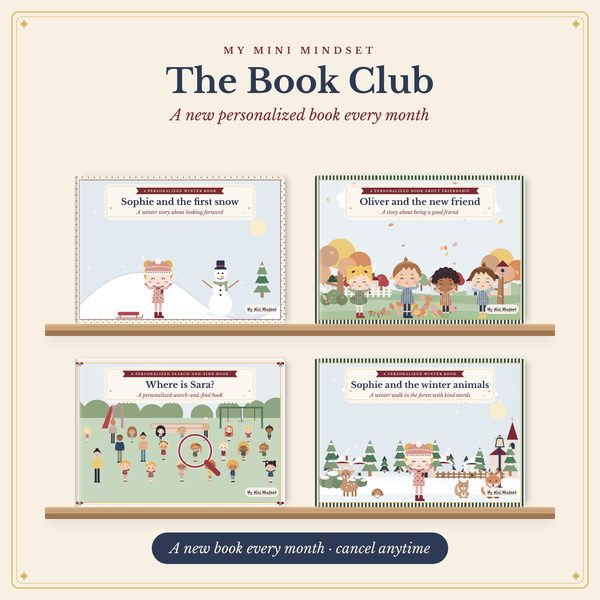
Want to bring the words into everyday life? Here are materials with your child’s name and a figure that looks like your child:
Books that go with this
Get new ideas and free printables
We send a short letter when there are new books and posts.