
When your child gets angry: 7 things that help
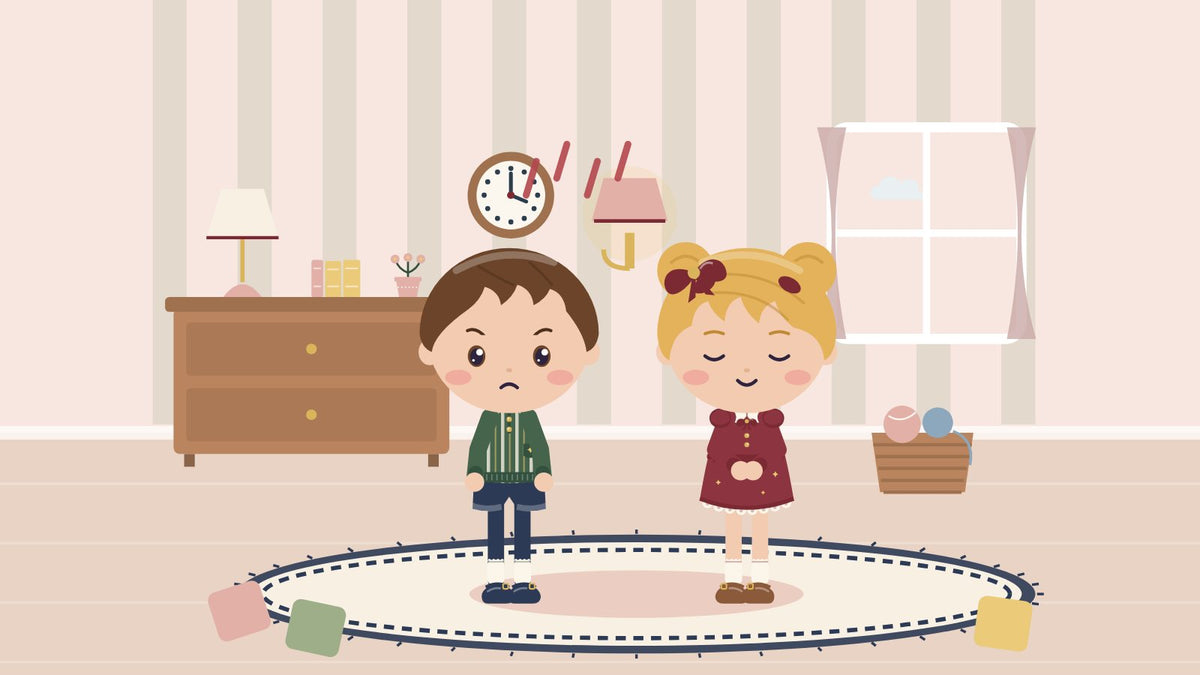
All children get angry. It’s a healthy feeling that tells us something feels unfair, too hard or too much. The goal isn’t for your child to never get angry, but to learn what to do with the anger.
1. Get calm yourself first
A child in the middle of anger can’t think clearly. They need an adult who can. Lower your voice, get down to your child’s eye level, and take a deep breath yourself. Your calm is more contagious than your words.
2. Put the feeling into words
“You’re really angry because the tower fell over.” When a feeling gets a name, it becomes a little less scary. Your child feels seen, and you show that anger is something we can talk about.
3. The feeling is okay, the action isn’t always
“It’s okay to be angry. It’s not okay to hit.” Separate what your child feels from what your child does. That gives clear boundaries without shaming your child for having the feeling.
4. Give the anger a place to go
Some children need to use their body: stomp on the floor, squeeze a pillow, hug hard. Others need a little time on their own, with an adult close by. Try things out together when emotions aren’t running high.
5. Wait to explain
Long explanations in the middle of an outburst go in one ear and out the other. Save the talk for later, when the body has calmed down.
6. Talk about it afterward
What happened? How did it feel in your body? What can we do next time? Children remember best when they help find the solution themselves. Feelings cards with faces can make it easier for the little ones to point to how they felt.
7. Practice when everyone is happy
The best time to practice breathing and calming strategies is when your child is in a good mood. Make it a game: blow out a candle, blow soap bubbles, count to five like a snail. Then the tools are familiar when the anger comes.
Remember
No parent gets it perfect every time. If you get angry yourself, you can show your child something valuable by saying sorry afterward. Then your child learns that we can repair things when something goes wrong.
From My Mini Mindset
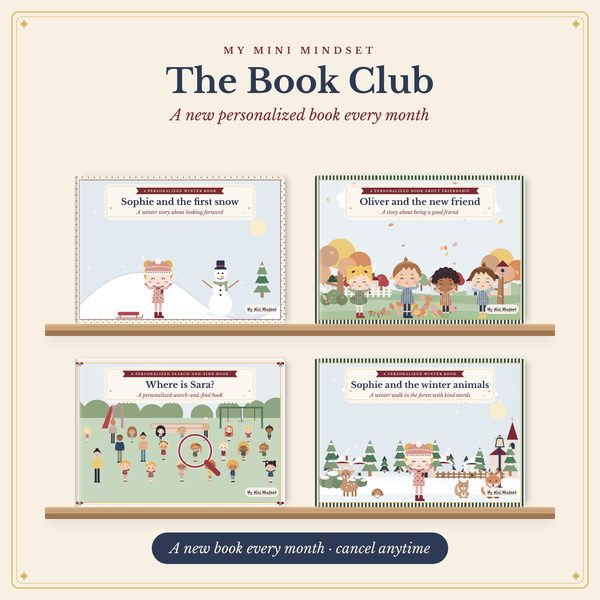
Want to bring the words into everyday life? Here are materials with your child’s name and a figure that looks like your child:
Books that go with this
Get new ideas and free printables
We send a short letter when there are new books and posts.